


Fire Table Materials: Impact on Luxury Outdoor Design

Finding the perfect centerpiece for your outdoor space often starts with the right material. For urban homeowners who appreciate refined design and lasting quality, luxury fire tables are as much about performance as visual appeal. With direct exposure to weather and high heat, understanding material properties and durability becomes crucial to enjoying both safety and sophistication season after season. This guide offers a clear perspective on what matters when selecting premium fire table materials.
Table of Contents
- Core Concepts Of Fire Table Materials
- Common Premium Fire Table Materials
- Material Properties And Outdoor Performance
- Risks And Maintenance For Fire Table Materials
- Comparing Premium Fire Table Material Alternatives
Key Takeaways
| Point | Details |
|---|---|
| Material Selection Matters | Choose fire table materials based on climate, aesthetics, and maintenance preferences for long-term satisfaction. |
| Durability is Key | Premium materials withstand environmental stressors and require varying maintenance; select accordingly to avoid rapid deterioration. |
| Heat Resistance is Critical | Ensure materials can handle high temperatures and thermal cycles to prevent warping or cracking. |
| Understand Aesthetic Impact | Fire table materials contribute significantly to luxury outdoor design; select options that complement overall landscape and style. |
Core Concepts of Fire Table Materials
Fire table materials form the foundation of your outdoor investment, directly influencing aesthetics, durability, and performance. Understanding these core concepts helps you make informed decisions that align with your design vision and long-term enjoyment. The materials you select determine how your fire table weathers the elements and complements your luxury landscape.
Materials used in fire tables must balance three critical priorities: heat resistance, visual appeal, and structural integrity. Unlike indoor furnishings, outdoor pieces face constant temperature fluctuations, moisture exposure, and UV radiation. Each material responds differently to these environmental pressures, affecting both function and longevity.
Heat resistance prevents deformation and degradation when exposed to high temperatures from burning fuel. Material ignition temperatures and burning characteristics vary significantly across different compositions. Steel tolerates direct flame better than some alternatives, while concrete requires careful selection of aggregate and binder.
Consider these material properties when evaluating options:
- Thermal conductivity determines how quickly materials absorb and transfer heat
- Expansion rates affect warping and cracking under temperature cycling
- Flame resistance influences how materials behave when exposed to direct flame
- Moisture absorption impacts freeze-thaw durability in cold climates
Aesthetics matter as much as function in luxury outdoor design. Your fire table becomes a focal point, anchoring the entire entertaining area. Materials like natural stone evoke permanence and elegance, while powder-coated metals offer contemporary sophistication. The finish, color, and texture dramatically influence your space’s overall character.
Material selection also connects directly to fuel choice. Different materials pair better with specific fuel types for optimal performance and safety. Understanding propane, natural gas, and wood fuel options helps clarify which materials best suit your preferred heating method.
Durability extends beyond resistance to weathering—it includes ease of maintenance and aging characteristics. Premium materials often develop beautiful patinas over time, while others require consistent care to maintain appearance. Some homeowners embrace the weathered look; others prefer materials that retain their original finish for years.
The best fire table material combines sufficient heat tolerance, visual elegance, and practical durability for your specific climate and usage patterns.
Climate significantly influences material performance. Coastal properties demand corrosion-resistant materials handling salt spray. Northern climates require attention to freeze-thaw cycles that can crack porous materials. Desert environments emphasize UV stability and thermal cycling resistance.
Pro tip: Visit your chosen retailer to touch and examine fire table materials firsthand, observing finishes and construction details before committing to your selection.
Here’s how premium fire table materials match different climates:
| Material | Best Environment | Key Challenge |
|---|---|---|
| Steel | Variable climates | Needs coating in humid zones |
| Concrete | Mild/dry areas | Prone to cracks in freeze-thaw |
| Stone | Dry or moderate regions | Needs sealing in wet climates |
| Aluminum | Coastal/humid areas | Paint may fade in strong sun |
Common Premium Fire Table Materials
Luxury fire tables typically feature four dominant material categories, each offering distinct advantages and aesthetic qualities. Your choice depends on climate, design preferences, maintenance tolerance, and how the table integrates into your outdoor setting. Premium materials elevate your space while delivering reliable performance for years of entertaining.
Steel remains the most versatile and popular choice for high-end fire tables. It conducts heat evenly, withstands extreme temperatures, and accepts various finishes from polished chrome to weathered patinas. Powder-coated steel resists corrosion and maintains color consistency, while corten steel develops a protective rust layer that prevents deeper deterioration.
Key steel advantages include:
- Excellent heat tolerance without warping or cracking
- Accepts multiple finish options matching any design aesthetic
- Relatively lightweight compared to concrete or stone alternatives
- Superior structural integrity under thermal stress
Concrete offers sculptural possibilities and understated elegance that appeals to contemporary design sensibilities. Cast concrete fire tables create dramatic focal points with clean lines and substantial presence. The material’s thermal mass absorbs and radiates heat gradually, creating comfortable ambient warmth beyond the flame itself.
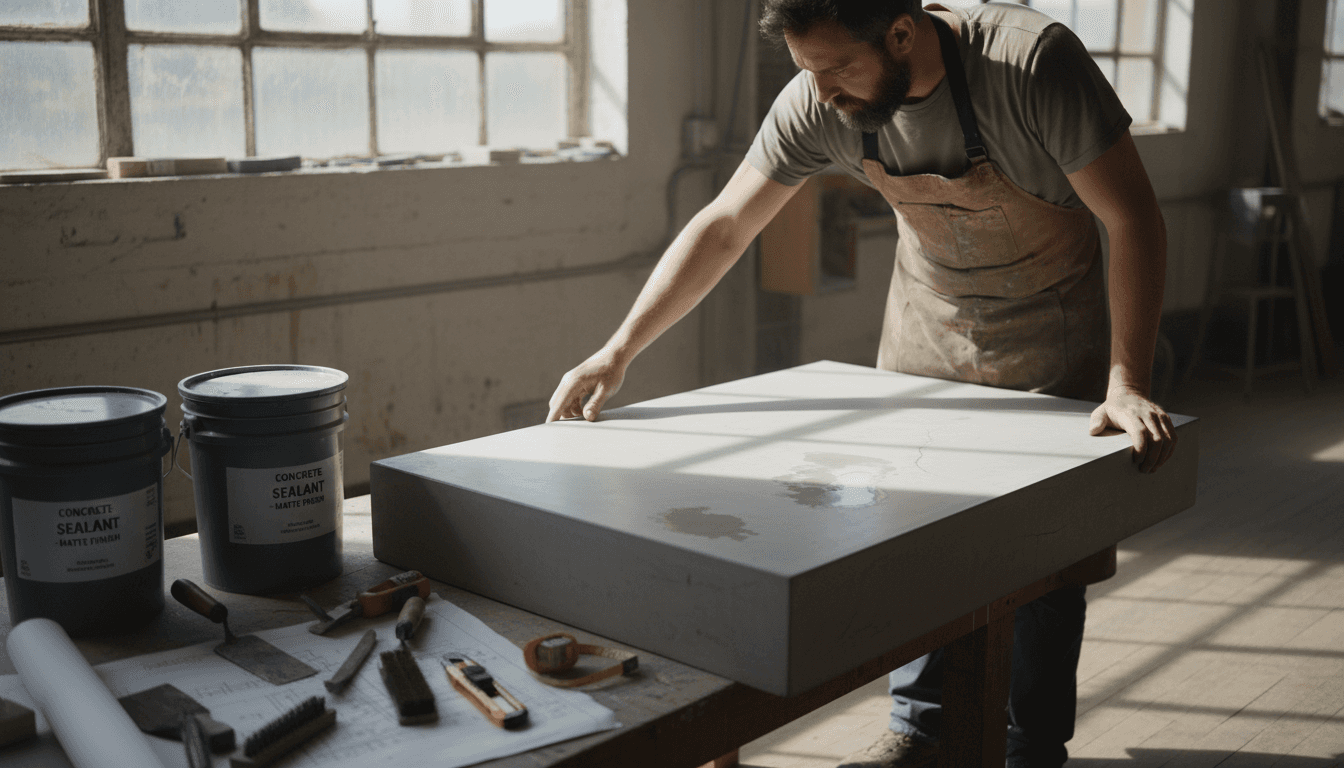
Concrete considerations involve durability in freeze-thaw cycles and potential surface cracking. Properly sealed concrete resists moisture penetration and maintains appearance through multiple seasons. The material ages gracefully, developing subtle color variations that enhance its sophisticated character.
Natural stone—including slate, limestone, and granite—brings timeless luxury to outdoor entertaining spaces. Stone tables evoke permanence and refined taste, anchoring garden designs with organic beauty. Each stone type presents unique color palettes and texture variations, ensuring your piece remains genuinely one-of-a-kind.
Stone requires attention to composition and sealing. Porous stones need regular maintenance in wet climates, while denser varieties prove nearly maintenance-free. Contemporary material fire behavior data helps identify which stone compositions best handle thermal exposure without spalling or cracking.
Cast aluminum combines lightweight construction with excellent corrosion resistance, making it ideal for coastal or humid climates. Aluminum tables remain cooler to the touch than steel alternatives while maintaining structural stability under heat. The material accepts decorative casting details and contemporary finishes unavailable with other options.
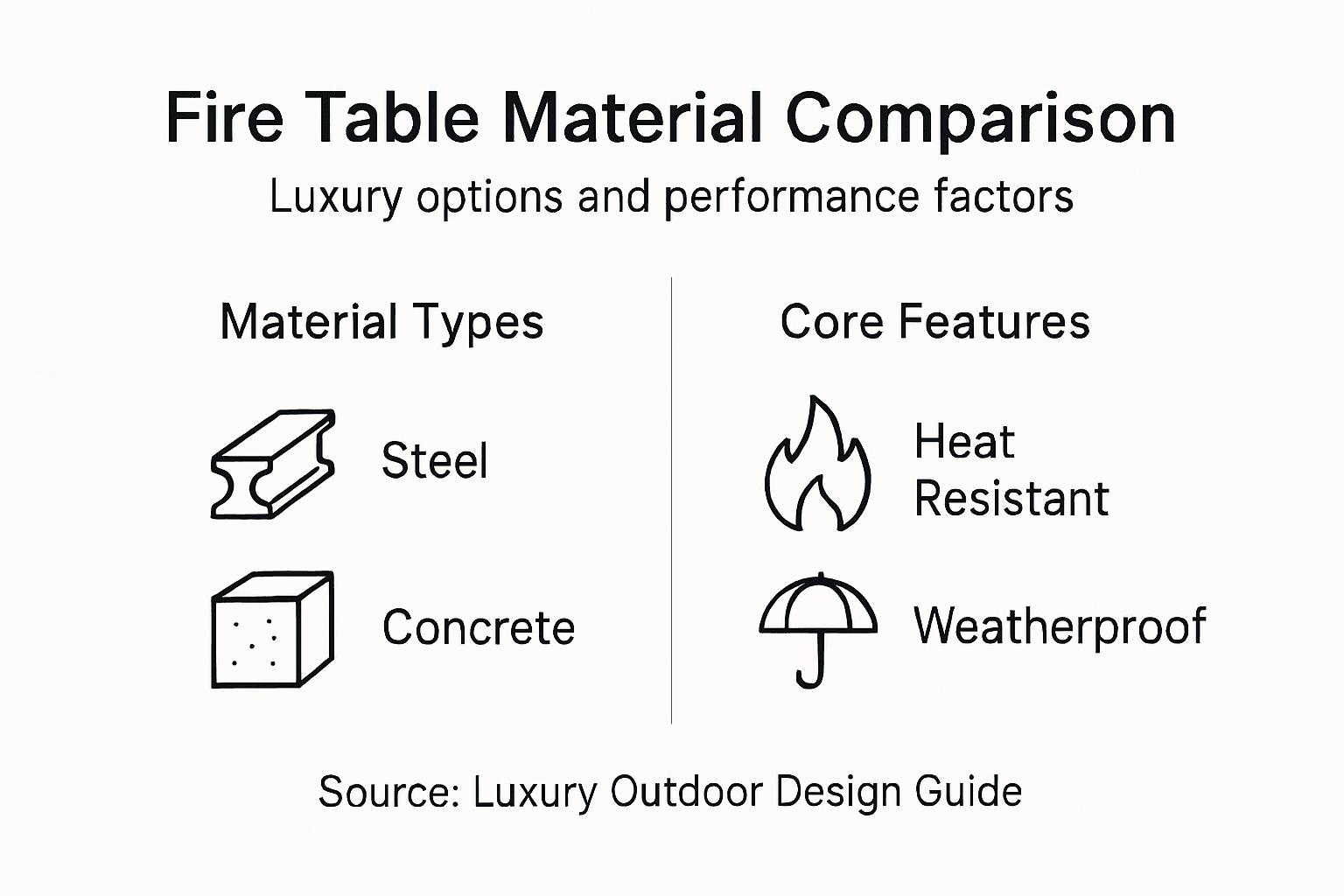
Compare these premium materials:
| Material | Heat Tolerance | Durability | Maintenance | Aesthetic Range |
|---|---|---|---|---|
| Steel | Excellent | Very High | Moderate | Versatile |
| Concrete | High | High | Low-Moderate | Contemporary |
| Stone | High | Very High | Moderate-High | Classic |
| Aluminum | Excellent | High | Low | Modern |
Premium fire table materials represent significant investments that should balance performance requirements with your specific climate and design vision.
Material selection affects long-term enjoyment and satisfaction. Lower-quality materials deteriorate quickly, requiring replacement or constant repairs. Premium options maintain beauty and function through years of seasonal changes and regular use.
Pro tip: Assess your climate’s freeze-thaw cycles, humidity, and salt exposure when selecting materials—these environmental factors often determine which premium material will serve you best long-term.
Review the ongoing care focus for each premium option:
| Material | Essential Maintenance | Aging Effect |
|---|---|---|
| Steel | Touch up coating annually | May develop rust patina |
| Concrete | Reseal yearly | Soft color variation over time |
| Stone | Clean/seal as needed | Unique patina enhances look |
| Aluminum | Simple periodic cleaning | Minimal visible change |
Material Properties and Outdoor Performance
Fire table materials must withstand extreme conditions that challenge lesser materials—intense heat cycles, moisture exposure, UV radiation, and temperature swings. Understanding key material properties helps you predict how your investment will perform through seasons and years. The right material choice means enjoying your fire table for decades rather than replacing it repeatedly.
Thermal conductivity determines how quickly materials absorb and distribute heat from flames and burning fuel. Materials with high thermal conductivity transfer heat rapidly, staying cooler to the touch while distributing warmth efficiently across the table surface. Lower conductivity materials retain heat longer, creating sustained ambient warmth ideal for cool evenings.
Consider these critical thermal properties:
- Heat capacity affects how much energy the material stores and releases gradually
- Expansion rates influence warping and cracking when temperature fluctuates dramatically
- Thermal stability ensures materials maintain structural integrity under sustained high temperatures
- Surface temperature varies significantly between materials, affecting safety and comfort
Weather resistance separates premium materials from ordinary alternatives. Material ignition temperatures and burning behavior properties inform how different compositions respond to moisture, freeze-thaw cycles, and UV exposure. Surface treatments and protective coatings dramatically extend material lifespan in harsh outdoor climates.
Materials respond differently to environmental stressors. Steel develops protective patinas or requires powder-coat renewal. Concrete may crack in freeze-thaw zones without proper sealing. Stone demands periodic sealing in wet climates. Aluminum resists corrosion naturally, requiring minimal intervention even in coastal salt spray environments.
Durability relates directly to material density and composition. Thermal conductivity and combustion behavior under fire exposure affect long-term performance in fire table applications. Denser, properly treated materials withstand thermal cycling better than porous, unsealed alternatives. Your climate zone determines which material properties matter most.
Climate significantly influences performance outcomes:
- Cold climates require freeze-thaw resistant materials that won’t crack or spall
- Humid regions demand materials resisting moisture absorption and corrosion
- Coastal areas need salt-spray resistant finishes and non-ferrous materials
- Desert environments emphasize UV stability and thermal cycling tolerance
Maintenance requirements vary based on material properties and exposure conditions. Some premium materials develop attractive patinas requiring no intervention. Others benefit from seasonal sealing or finishing treatments. Understanding your material’s specific needs prevents deterioration and maintains aesthetic appeal.
Material performance in outdoor fire table applications depends equally on initial composition, surface treatment quality, and ongoing maintenance suited to your climate.
Weathering patterns influence perceived value and satisfaction over time. Materials that age gracefully—developing character through patina development—often appeal more to luxury homeowners than those requiring constant restoration. Your material choice should align with whether you prefer active maintenance or hands-off sophistication.
Pro tip: Research your specific climate’s freeze-thaw cycles and humidity levels, then prioritize material properties matching those conditions to minimize maintenance demands and maximize longevity.
Risks and Maintenance for Fire Table Materials
Every premium fire table material carries specific risks and maintenance requirements that directly impact long-term satisfaction and safety. Overlooking these considerations leads to accelerated deterioration, compromised aesthetics, and potentially dangerous conditions. Understanding what each material demands helps you make realistic decisions about ongoing care and investment protection.
Thermal stress poses the primary risk to all fire table materials. Rapid heating and cooling cycles cause expansion and contraction, potentially creating cracks or warping over time. Steel withstands this stress better than brittle materials like concrete or stone, which may develop surface spalling or internal fractures after multiple seasons.
Common material-specific risks include:
- Steel develops rust without proper coating; powder-coat wear exposes bare metal to oxidation
- Concrete cracks in freeze-thaw cycles; improper sealing allows moisture penetration and deterioration
- Stone develops stains from mineral deposits; porous varieties absorb water causing internal damage
- Aluminum rarely corrodes but paint finishes fade under UV exposure over time
Material aging and protective coating wear require regular maintenance interventions to preserve fire resistance and performance. Surface degradation accelerates without preventive care, transforming minor cosmetic issues into structural problems. Your maintenance schedule determines whether your fire table remains beautiful or deteriorates prematurely.
Maintenance demands vary dramatically by material type. Steel requires seasonal inspection of powder coating and touch-ups where chips appear. Concrete benefits from annual resealing, especially in wet climates. Stone needs regular cleaning and periodic sealing depending on porosity. Aluminum demands minimal intervention beyond occasional cleaning and paint refresh.
Weathering accelerates in harsh climates. Coastal salt spray attacks unprotected metals aggressively. Freeze-thaw cycles crack porous materials ruthlessly. UV radiation fades finishes and degrades protective coatings. Desert heat cycles stress all materials. Understanding your climate’s specific challenges shapes realistic maintenance planning.
Preventive maintenance costs far less than reactive repairs. Addressing minor issues immediately prevents catastrophic failures later. A small coating chip sealed promptly avoids rust spreading across steel surfaces. Concrete cracks addressed early prevent water penetration that destroys structural integrity. Stone stains removed promptly prevent permanent discoloration.
Establish these maintenance practices:
- Inspect your fire table seasonally, noting any coating damage or surface changes
- Clean debris and mineral deposits after each use to prevent staining
- Apply protective treatments annually according to your material’s specifications
- Address damage immediately rather than waiting for the off-season
- Cover your fire table during extended non-use periods in harsh weather
Regular maintenance prevents costly repairs and preserves both the safety and beauty of your luxury fire table investment.
Safety deteriorates alongside aesthetics when maintenance lapses. Cracks can trap water, creating freeze-thaw damage that weakens structural integrity. Coating failure exposes raw materials to oxidation and corrosion. Neglect transforms a functional luxury piece into a hazard requiring professional repair or replacement.
Pro tip: Create a seasonal maintenance calendar specific to your fire table’s material and your climate zone, scheduling inspections and treatments before problems develop.
Comparing Premium Fire Table Material Alternatives
Selecting the right fire table material requires weighing tradeoffs between aesthetics, performance, maintenance, and budget. No single material excels in every category—each offers distinct advantages balanced against specific limitations. Understanding how materials compare helps you align your selection with priorities that matter most for your lifestyle and climate.
Steel offers versatility and proven performance across diverse climates and design styles. It tolerates direct flame exposure exceptionally well, conducts heat evenly, and accepts multiple finish options. Steel tables demand moderate maintenance but deliver decades of reliable service. The material suits contemporary, traditional, and transitional designs equally.
Key steel considerations:
- Excellent heat tolerance without structural degradation
- Powder-coated finishes resist corrosion in most climates
- Moderate maintenance requirements keep costs manageable
- Lighter weight than stone or concrete alternatives
- Most affordable premium material option available
Concrete provides sculptural potential that other materials cannot match. Cast designs become genuine art pieces, transforming fire tables into architectural focal points. Concrete’s thermal mass creates sustained ambient warmth and develops attractive weathering patterns over time.
Concrete requires climate consideration. Freeze-thaw zones demand careful product selection and regular sealing to prevent deterioration. Wet climates accelerate surface breakdown without proper maintenance. Properly specified and maintained concrete fire tables deliver exceptional longevity and timeless elegance.
Natural stone conveys permanence and refined luxury unmatched by engineered alternatives. Slate, limestone, and granite each present unique color palettes and organic variations that ensure genuine one-of-a-kind pieces. Stone ages beautifully, developing character that enhances rather than diminishes aesthetic appeal.
Stone demands honest appraisal regarding maintenance. Different stone types respond differently to moisture and freeze-thaw cycles. Fire performance and durability comparisons between wood and other premium materials inform material selection when balancing fire safety with environmental exposure. Denser, properly sealed stone resists deterioration better than porous, unsealed varieties.
Aluminum combines lightweight construction with superior corrosion resistance, particularly valuable in coastal and humid environments. Decorative casting options create detailed designs unavailable with other materials. Aluminum maintains structural integrity under sustained heat while remaining cool to the touch.
Material comparison by priority:
| Priority | Best Choice | Runner-Up | Trade-Off |
|---|---|---|---|
| Durability | Stone | Steel | Stone requires more maintenance |
| Low Maintenance | Aluminum | Steel | Aluminum costs more initially |
| Design Flexibility | Concrete | Stone | Concrete demands careful sealing |
| Budget Conscious | Steel | Aluminum | Steel needs coating maintenance |
| Coastal Climate | Aluminum | Steel | Aluminum finishes fade faster |
The ideal fire table material balances your aesthetic vision, climate demands, maintenance tolerance, and budget within a cohesive lifestyle choice.
Your decision involves honest self-assessment. Do you embrace weathering and patina development, or prefer pristine appearance? Can you commit to annual maintenance, or do you prefer minimal intervention? Does your climate present extreme freeze-thaw, salt spray, or UV challenges? These questions guide material selection toward genuine satisfaction.
Consider propane versus natural gas fire tables when material selection intersects with fuel choice—certain materials pair better with specific fuel types for optimal performance and safety.
Pro tip: Request material samples or visit showrooms to touch finishes and observe weathering patterns, helping you envision how your chosen material will age in your specific climate.
Elevate Your Outdoor Space with Premium Fire Table Materials
Choosing the right fire table material is essential to creating a luxury outdoor retreat that balances heat resistance, durability, and stunning aesthetics. Whether you face coastal salt spray, freeze-thaw cycles, or intense sun exposure, selecting materials like steel, concrete, natural stone, or aluminum can dramatically impact your fire table’s performance and lifespan. Backyard Pyre specializes in this exact expertise, offering curated collections designed to meet these challenges while enhancing your outdoor living experience.
Discover how our high-end fire tables and furnishings from brands like Elementi combine modern design with superior materials engineered for lasting beauty and safety. Explore Elementi Plus for elevated fire features perfectly suited to your climate and style preferences or browse our Stylish Patio Furniture selections to complete a cohesive outdoor living environment.
Don’t settle for ordinary when you can invest in a fire table that gracefully withstands environmental demands while becoming the luxurious focal point your outdoor space deserves. Visit Backyard Pyre today to find premium fire tables tailored to your specific climate, aesthetics, and maintenance needs. Transform your patio into a sophisticated sanctuary with expert guidance and exclusive designs waiting for you now.
Frequently Asked Questions
What materials are commonly used in high-end fire tables?
Luxury fire tables typically feature materials such as steel, concrete, natural stone, and cast aluminum. Each material offers unique advantages, aesthetics, and performance characteristics.
How does climate affect the choice of fire table materials?
Climate significantly influences material performance. For example, coastal areas require corrosion-resistant materials, while northern climates need freeze-thaw resistant options. Desert regions emphasize UV stability and thermal cycling resistance.
What maintenance is required for different fire table materials?
Maintenance varies by material: steel may need annual coating touch-ups, concrete requires yearly resealing, natural stone needs regular cleaning and sealing, and aluminum usually requires simple periodic cleaning.
How do fire table materials impact heat resistance and safety?
Material properties like thermal conductivity, expansion rates, and moisture absorption affect heat resistance and safety. Steel and aluminum generally handle heat fluctuations well, while concrete and stone require careful sealing to prevent cracks and ensure longevity.