


Cart
0
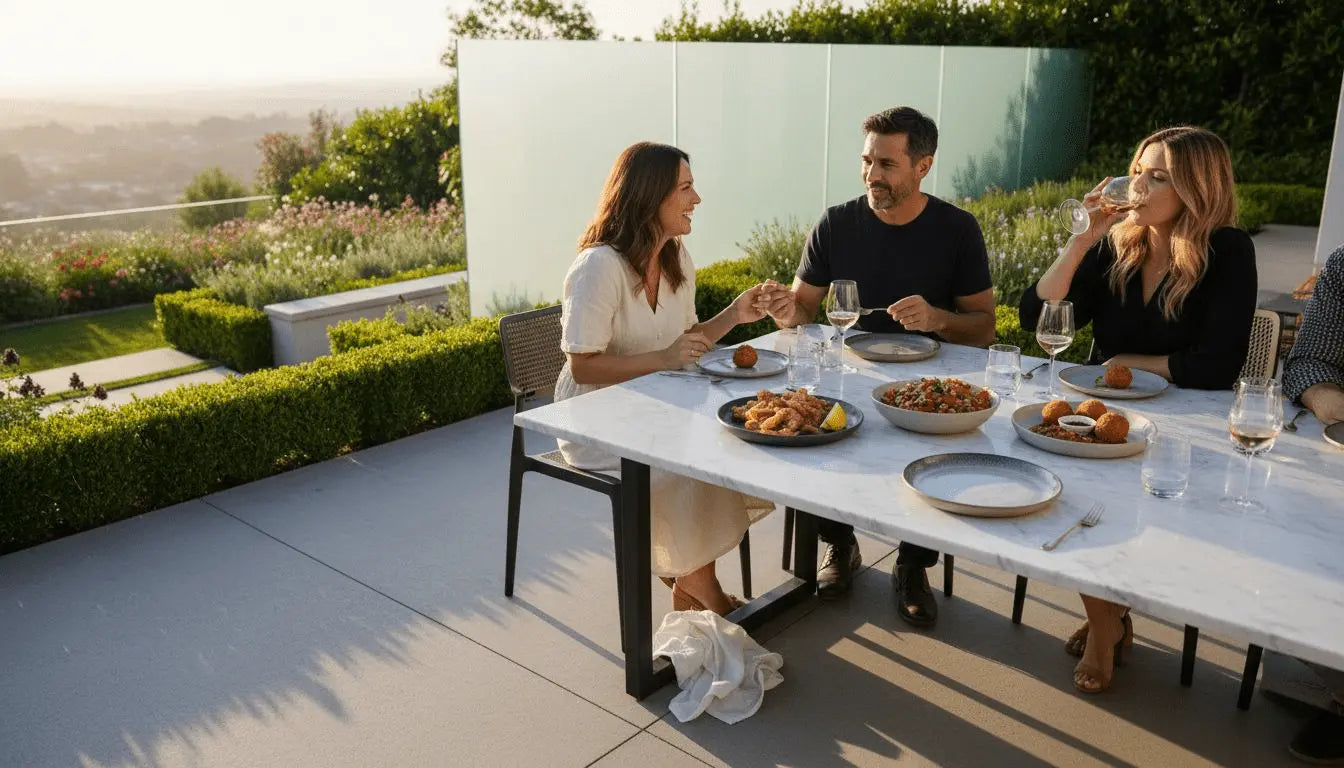
Planning a luxury outdoor dining space often starts with questions about layout and functionality. Urban homeowners know that a truly elegant setup depends on more than just beautiful furniture. By assessing site characteristics like sunlight, climate, and accessibility early, you unlock the full potential for comfort and visual appeal. Discover how a thoughtful outdoor space assessment lays the foundation for seamless entertaining and lasting style in your city home.
Table of Contents
- Step 1: Assess Your Outdoor Space For Dining Potential
- Step 2: Select High-End Dining Furniture And Fire Features
- Step 3: Arrange Furniture To Maximize Comfort And Flow
- Step 4: Elevate Ambiance With Designer Accessories
- Step 5: Verify Your Setup For Entertaining Readiness
Quick Summary
| Key Insight | Explanation |
|---|---|
| 1. Assess Your Outdoor Space | Evaluate your outdoor area for size, sunlight, and accessibility before planning your dining setup. Understand its strengths and limitations to inform design. |
| 2. Choose Quality Furniture | Select dining tables and seating made from durable materials that match your style and withstand your climate. Prioritize comfort and ease of maintenance. |
| 3. Optimize Furniture Layout | Ensure furniture arrangement promotes easy movement and comfortable social interaction. Aim for intuitive pathways and adequate space for guests and servers. |
| 4. Enhance Ambiance with Accessories | Use lighting, textiles, and greenery to create an inviting atmosphere. Thoughtful selection of accessories adds charm and personal style to your dining space. |
| 5. Conduct Final Readiness Checks | Before hosting, verify furniture stability, fire safety, and accessibility. A well-prepared space ensures a smooth, enjoyable experience for you and your guests. |
Step 1: Assess Your Outdoor Space for Dining Potential
Before you envision an elegant outdoor dining experience, you need an honest evaluation of what your space can offer. This foundational step determines whether your patio, terrace, or garden can support a sophisticated dining setup and what adjustments might be necessary for comfort and functionality.
Start by examining your available square footage and layout. Measure the area where you’re considering your dining arrangement, keeping in mind that a luxurious dining table needs breathing room around it. Most affluent homeowners underestimate how much space a proper outdoor dining experience requires—you’ll want enough clearance for guests to move comfortably, for servers to navigate, and for the space to feel uncluttered rather than cramped.
Next, assess these key environmental factors:
- Sunlight patterns throughout the day and seasons, noting if afternoon shade exists naturally or will require additional solutions
- Wind exposure and how it might affect comfort, fire features, or the dining experience
- Drainage characteristics to ensure water doesn’t pool during rain or compromise your dining area
- Existing vegetation and views that can enhance your setup’s visual appeal
- Access points from your home and pathways leading to the dining space
Your outdoor space’s natural features are assets or obstacles—understanding them upfront prevents costly redesigns later.
Consider accessible design principles when planning your layout, especially if you regularly host guests of varying mobility levels. Smooth transitions, adequate maneuvering space, and thoughtful furniture placement create an inclusive environment that feels effortless for everyone.
Evaluate your space’s climate and weather patterns. How many months per year can you realistically dine outdoors? What are the prevailing temperatures, humidity levels, and seasonal conditions? This directly influences whether you’ll want heating elements like fire tables, what furniture materials will withstand your climate, and how much weather protection you might need.
Think about sight lines and privacy. Do neighboring properties overlook your dining area? Are there visual distractions you’d want to screen? Creating a sense of outdoor retreat means establishing privacy and focusing views on what matters most—your table, your guests, and perhaps a carefully curated focal point like a fire feature.
Pro tip: Document your space assessment with photos taken at different times of day and note sun angles, shadow patterns, and seasonal changes. These observations guide every decision that follows, from furniture placement to shade solutions.
Step 2: Select High-End Dining Furniture and Fire Features
Now that you understand your space’s potential, it’s time to choose the furniture and features that will define your outdoor dining experience. This step transforms your assessment into an actual design, balancing aesthetics, functionality, and the lifestyle you want to create.
Start with your dining table as the anchor piece. Luxury outdoor dining tables serve as both functional surfaces and design focal points, so choose one that reflects your style while withstanding your climate. Consider size relative to your space—you want the table to dominate without overwhelming the area. Tables crafted from weather-resistant materials like teak, aluminum, or concrete offer durability and refined elegance that improves with age or use.
Evaluate these essential dining furniture characteristics:
Here’s a reference guide to common outdoor dining furniture materials and their benefits:
| Material | Durability | Maintenance Needs | Visual Appeal |
|---|---|---|---|
| Teak | Highly weatherproof | Requires occasional oil | Warm, natural finish |
| Aluminum | Rust-resistant | Minimal upkeep | Sleek, modern style |
| Concrete | Long-lasting | Needs periodic sealing | Bold, contemporary look |
| Stainless Steel | Corrosion-resistant | Easy to clean | Polished, futuristic |
- Material durability and how it performs in your specific climate conditions
- Comfort and ergonomics of seating, including cushion quality and back support
- Finish and maintenance requirements to keep pieces looking pristine
- Scale and proportion relative to your space and number of regular guests
- Design cohesion with your home’s overall aesthetic
Premium outdoor furniture is an investment in comfort and memories—choose pieces you’ll genuinely enjoy living with.
Next, consider your fire feature selection. A well-chosen fire element adds warmth, ambiance, and sophisticated style to your dining area. Luxury fire features range from fire tables that integrate seamlessly with dining surfaces to standalone fire pits that create gathering focal points. Fire tables offer the unique advantage of warming guests while they dine, while dedicated fire pits work well for post-dinner relaxation zones.
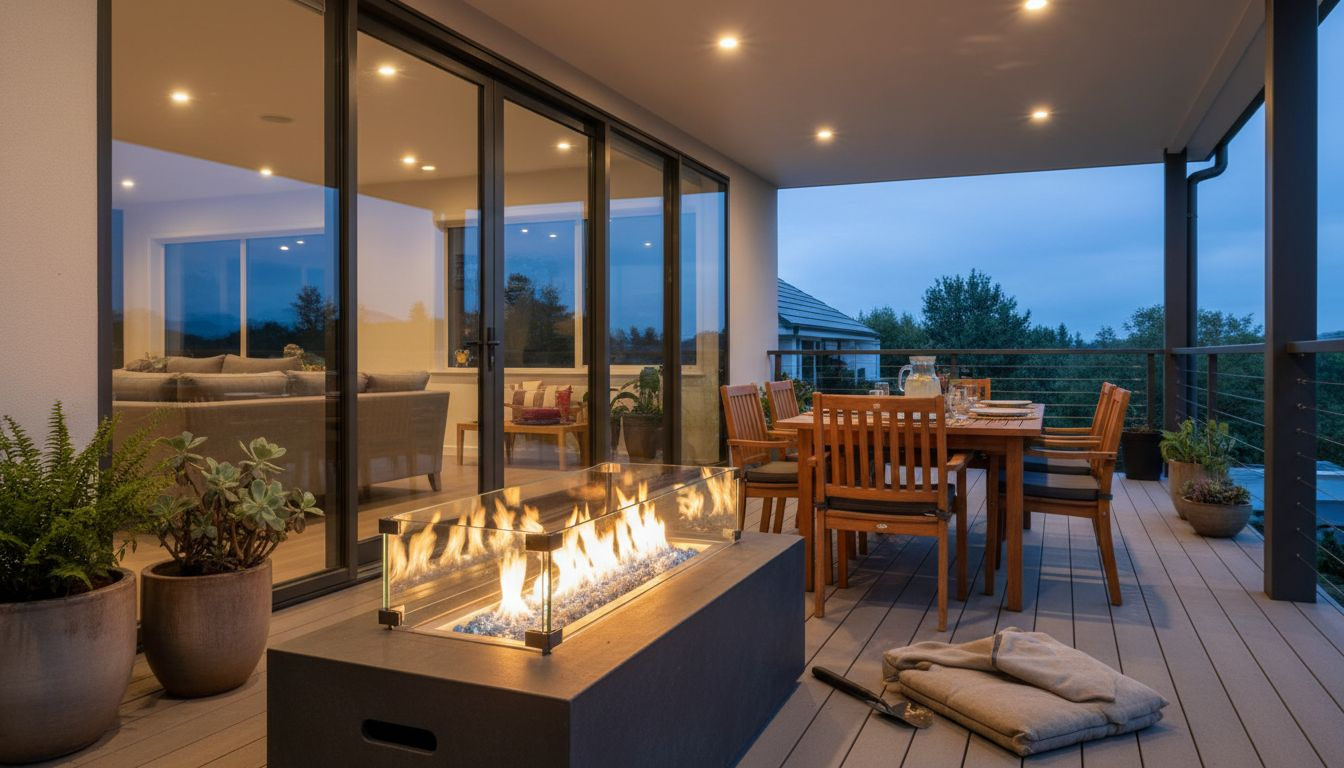
When selecting fire features, prioritize these factors:
Compare fire feature types to find the best fit for your outdoor dining space:
| Fire Feature Type | Ambiance Focus | Heating Performance | Ideal Placement |
|---|---|---|---|
| Fire Table | Elegant, cozy | Even heat over table | Dining table center |
| Fire Pit | Social, bold | Strong localized heat | Lounge area nearby |
| Fire Bowl | Decorative | Supplemental warmth | Perimeter or corners |
- Heat output and radius to ensure adequate warmth for your dining area
- Fuel type (natural gas, propane, or wood) based on convenience and ambiance preference
- Design integration with your furniture style and overall aesthetic
- Safety features and clearance requirements for guest comfort
- Material quality ensuring longevity and minimal maintenance
Remember that your furniture and fire features should feel intentional together, not like separate purchases. The best outdoor dining setups have cohesive design where each element enhances the others, creating an environment that invites lingering conversation and genuine connection.
Pro tip: Visit showrooms and see luxury pieces in person before committing—outdoor furniture looks and feels dramatically different at scale, and you’ll understand comfort and quality far better than from photos.
Step 3: Arrange Furniture to Maximize Comfort and Flow
With your furniture and fire features selected, thoughtful arrangement becomes your next priority. How you position each piece directly affects whether guests feel relaxed and welcome or cramped and restricted. This step focuses on creating intuitive flow while maintaining the sophisticated atmosphere you’re building.
Start by identifying your primary gathering zone. This is where your dining table anchors the space, with adequate clearance on all sides for people to pull chairs in and out comfortably. Plan for at least three feet of space beyond the table’s edge to prevent guests from feeling trapped or bumping elbows with those passing by.
Consider these layout principles:
- Clear pathways from your home to the dining area and between functional zones
- Circulation space around the table allowing servers and guests to move naturally
- Conversation distances that encourage interaction without forcing guests to shout
- Secondary seating positioned to facilitate relaxation before or after dining
- Fire feature placement that adds warmth without creating obstacles or safety concerns
Great outdoor dining spaces feel intuitive—guests shouldn’t have to think about where to walk or how to navigate.
When positioning furniture, think about comfortable social spacing that encourages genuine interaction. People naturally communicate best within specific distances, so arrange seating to facilitate eye contact and conversation rather than forcing awkward angles or back-to-back positioning.
Visually map your layout before moving heavy pieces. Use chalk, string, or cardboard cutouts to mark table and chair positions, then walk through your space as if you’re a guest. Can you easily reach the table? Are there sightlines to your best views? Does the fire feature enhance rather than dominate the experience?
Think about traffic flow patterns in your entertaining style. Where will guests congregate before sitting? Will you need a cocktail zone separate from the dining table? Should seating allow for easy transitions between dining and post-meal relaxation around the fire?
Test your arrangement over a week or two before finalizing. Notice how shadows shift, where wind funnels through, and whether the setup actually matches how you entertain. Real-world living reveals what no floor plan can show.
Pro tip: Leave slightly more space than feels necessary at first—you can always add accent pieces or lounge seating later, but cramped furniture arrangements are expensive and difficult to fix once your space feels established.
Step 4: Elevate Ambiance with Designer Accessories
Your dining furniture and fire features form the foundation, but thoughtfully chosen accessories transform a functional space into an immersive experience. This step focuses on layering elements that engage the senses and create the sophisticated atmosphere your guests will remember.
Start with lighting as your most powerful tool for ambiance. Overhead string lights create warmth and intimacy, while lanterns on tables add focused glow. Consider dimmable options that allow you to adjust the atmosphere based on the meal’s timing and your entertainment style. Well-placed lighting should feel organic, not staged.
Next, think about textiles and shade solutions. High-quality outdoor cushions add comfort while introducing color and pattern. A designer parasol or pergola with flowing fabric provides both functional sun protection and visual elegance. These elements soften hard surfaces and create visual interest without cluttering your space.
Essential designer accessories to consider:
- Outdoor rugs that define spaces and add warmth underfoot
- Decorative planters with curated vegetation for natural beauty
- Table linens and place settings that reflect your entertaining style
- Ambient sound elements like water features for sensory depth
- Fire-adjacent accessories like decorative screens or safety railings
Accessories are where personality meets function—each piece should earn its place by adding beauty or purpose.
Lighting and textiles combine to create immersive sensory experiences that enhance how guests perceive and enjoy your space. The right accessories influence how light bounces, how textures feel, and ultimately how comfortable and welcome people feel in your outdoor dining area.
Consider designer parasols and patio heaters that provide both practical comfort and aesthetic refinement. Quality materials in these pieces ensure they withstand weather while maintaining their beauty year after year.
Balance is critical. You want your space to feel intentionally designed, not over-accessorized. Each element should serve a purpose—whether creating comfort, enhancing beauty, or contributing to the overall narrative of your outdoor living space.
Start with a few key pieces and add gradually as you understand your space better. This approach prevents overwhelming the design while allowing flexibility as your entertaining style evolves.
Pro tip: Invest in outdoor-grade fabrics and materials for accessories—they resist fading, moisture, and mildew far better than indoor alternatives, and your accessories will maintain their luxurious appearance season after season.
Step 5: Verify Your Setup for Entertaining Readiness
Before hosting your first gathering, conduct a thorough verification of your outdoor dining space. This final step ensures everything functions smoothly, looks inviting, and creates the experience you’ve envisioned. A methodical check prevents awkward surprises during your event.
Begin with safety and functionality checks. Test your fire feature to confirm it ignites reliably and produces adequate heat. Verify that all furniture is stable and secure, with no wobbling or loose connections. Check that cushions are properly fitted and weather-resistant. Inspect pathways for trip hazards and ensure adequate lighting works as intended.
Walk through these verification areas:
- Seating comfort by sitting in each chair and testing cushions for support and stability
- Table surfaces ensuring they’re level, clean, and ready for place settings
- Lighting function at various times of day and in dimmed settings
- Fire feature safety confirming proper ignition, heat output, and clearances
- Accessibility by navigating the space as guests would enter and move about
- Climate control from shade, heating, or cooling solutions you’ve installed
A space that functions flawlessly lets guests relax instead of noticing logistics.
Evaluate your setup’s comfort and accessibility features by actually using the space as you would during an event. Move through pathways carrying items. Sit at the table for extended periods. Notice where guests naturally congregate and whether those areas feel comfortable and spacious.
Check practical hosting essentials. Do you have adequate surface space near the dining table for serving dishes? Are beverages easily accessible without blocking traffic? Can guests see signage or find restrooms if needed? Is there shelter if weather turns unexpectedly?
Test your setup with a small gathering before hosting larger events. Invite a few trusted friends and observe how they naturally use the space. Their interactions reveal whether your layout truly functions or needs adjustments. Real guests provide insights no floor plan can offer.
Verify that your setup encourages effortless entertaining with thoughtful seating, clear access, and practical serving solutions. The goal is a space where you can focus on your guests rather than managing logistics.
Pro tip: Create a detailed checklist of every functional element, test each one thoroughly before your first event, and keep the checklist handy for seasonal setup and breakdown—you’ll thank yourself when spring arrives and you remember exactly what needs verification.
Elevate Your Outdoor Dining with Premium Luxury Solutions
Designing the perfect luxury outdoor dining setup involves careful assessment, selecting high-end furniture, and integrating sophisticated fire features to create an inviting retreat. If you are facing challenges in choosing durable, elegant pieces that withstand your climate or struggle with arranging your space for ultimate comfort and flow, Backyard Pyre offers tailored solutions that bring your vision to life. From weather-resistant dining tables to designer fire tables that provide warmth and ambiance, our curated collections help you overcome common pain points like maintenance concerns, space constraints, and creating seamless entertaining zones.
Explore our exclusive Elementi Home - Patio Collection for a selection of meticulously crafted outdoor dining tables and fire features that blend refinement with superior performance.
Transform your outdoor dining experience today by visiting Backyard Pyre. Discover our full range of Products - Luxury Outdoor Living to find pieces that combine comfort, style, and function. Take the next step toward effortless entertaining with personalized selections designed to create an elegant, welcoming space your guests will remember.
Frequently Asked Questions
How do I assess my outdoor space for a luxurious dining setup?
Begin by measuring the available square footage and evaluating the layout for comfort and functionality. Make note of environmental factors like sunlight, wind, and drainage to determine what adjustments are needed for an outstanding dining experience.
What materials should I consider for high-end outdoor dining furniture?
Focus on materials such as Teak, Aluminum, and Concrete, which offer durability and style. Ensure that the selected materials withstand your climate’s conditions and align with your desired aesthetic for a refined look that lasts.
How can I arrange my outdoor furniture for optimal comfort and flow?
Position your dining table as the focal point with at least three feet of clearance on all sides for easy movement. Create clear pathways and allow for conversational distances to ensure guests feel relaxed and engaged throughout the meal.
What accessories can elevate the ambiance of my outdoor dining space?
Incorporate elements like overhead string lights, decorative planters, and quality outdoor cushions to enhance visual appeal and comfort. Select pieces that engage the senses and complement your existing furniture layout to create a cohesive and inviting atmosphere.
How can I verify that my outdoor dining setup is ready for entertaining?
Conduct a thorough check of all elements, including safety features, comfort levels, and practical hosting essentials. Test the functionality of your fire feature and seating arrangements to ensure a seamless experience for your guests.
Recommended
- Role of Outdoor Dining Tables in Luxury Living – Backyard Pyre
- Luxury Patio Accessories Guide for Upscale Outdoor Retreats – Backyard Pyre
- Ultimate Guide to Creating a Luxury Outdoor Retreat – Backyard Pyre
- Ultimate Luxury Outdoor Guide – Backyard Pyre
- 6 Essentials for Selecting Bespoke Luxury Sofas – Wish Interiors
- Easy Outdoor Kitchen Installation in Garden Pavilion
- 7 Luxury Pool Features List for Upscale Outdoor Living


