

Fire Features for Deck or Patio
As outdoor living spaces continue to evolve into sophisticated extensions of the home, fire features have become essential centerpieces that combine ambiance, warmth, and functionality. Whether you're designing a new deck, reimagining a patio, or simply elevating your existing outdoor space, the right fire feature transforms ordinary gatherings into memorable experiences. In 2026, homeowners are seeking luxury options that merge cutting-edge design with timeless appeal, creating outdoor rooms that rival the comfort and style of interior spaces.
Selecting the perfect fire feature involves understanding your space, lifestyle, and aesthetic preferences. From sleek fire tables that double as dining surfaces to statement fire pits that anchor conversation areas, today's options offer unprecedented versatility. This comprehensive guide explores everything you need to know about choosing, placing, and styling fire features that will redefine how you experience your outdoor living space.
Understanding Different Types of Fire Features
The modern fire feature market offers remarkable variety, each type serving distinct purposes and aesthetic goals. Fire tables represent the pinnacle of multifunctional design, combining functional surfaces with captivating flames. These sophisticated pieces, like the Carrara Marble Porcelain Fire Table, serve as dining tables, cocktail surfaces, and heat sources simultaneously. Their integrated design makes them ideal for smaller decks and patios where space efficiency matters without sacrificing luxury.
Traditional fire pits create a more casual, gathering-focused atmosphere. These features encourage circular seating arrangements that foster conversation and connection. Bowl-style fire pits work beautifully on patios with ample surrounding space, while linear fire features complement contemporary deck designs with clean architectural lines. The choice between these styles depends on how you envision using your outdoor space and the type of gatherings you most frequently host.
Fire dining tables represent an innovative fusion category that's gained significant popularity among design-forward homeowners. The Brugge Outdoor Fire Dining Table exemplifies this category, offering full dining functionality with an integrated fire element that extends evening enjoyment well into cooler months. This hybrid approach maximizes spatial utility while creating unforgettable dining experiences under the stars.
Material Selection and Durability Considerations
Material choice significantly impacts both the aesthetic appeal and longevity of your fire feature. Marble porcelain has emerged as a premier material for luxury fire features, offering the visual richness of natural stone with superior weather resistance and durability. This engineered material withstands freeze-thaw cycles, resists staining, and maintains its appearance through years of exposure to the elements—qualities essential for outdoor installations in varied climates.

Metal fire features, typically constructed from stainless steel or powder-coated aluminum, provide contemporary aesthetic options with excellent durability. These materials resist rust and corrosion while supporting sleek, minimalist designs that complement modern architecture. However, metal surfaces can retain heat longer than stone alternatives, which requires consideration for placement near seating areas and walkways.
Concrete and composite materials offer budget-friendly alternatives while still delivering substantial visual impact. Modern manufacturing techniques have elevated these materials beyond basic finishes, with textured surfaces and integrated colorants that mimic natural stone. When selecting materials, consider not only initial appearance but how surfaces will weather and age, ensuring your investment maintains its beauty throughout its lifespan.
Fuel Type: Gas Versus Wood-Burning Options
The fuel type you select fundamentally shapes your fire feature experience, maintenance requirements, and installation complexity. Natural gas and propane fire features offer unmatched convenience with instant ignition, adjustable flame control, and minimal cleanup. These systems eliminate ash disposal and reduce smoke production, making them ideal for neighborhoods with strict fire regulations or where outdoor entertaining demands quick transitions from ambient warmth to dining surfaces.
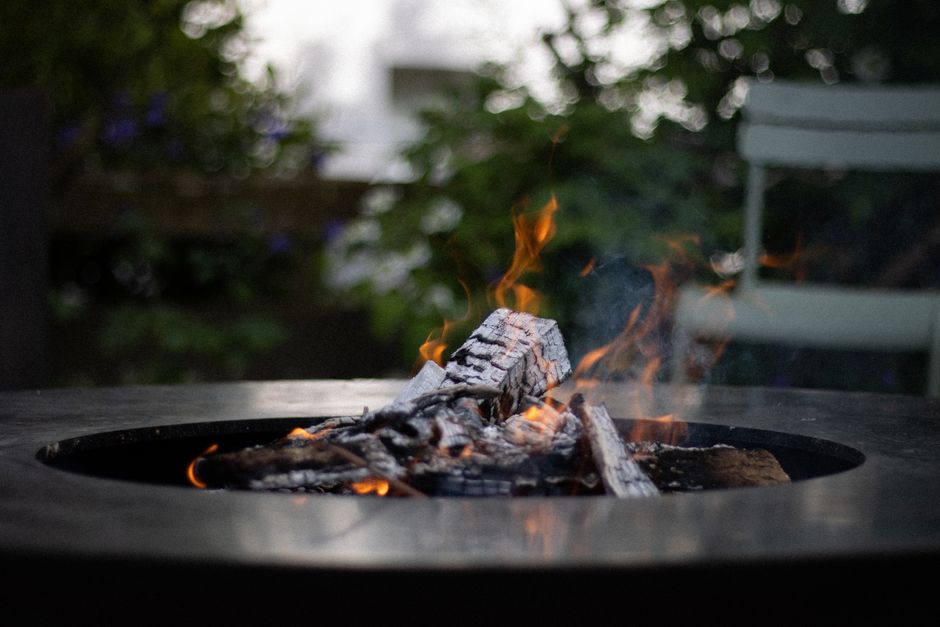
Gas systems require professional installation to ensure proper connections and safety compliance, but they reward this initial investment with years of effortless operation. Electronic ignition systems, remote controls, and even smartphone integration have made gas fire features remarkably user-friendly. The consistent flame patterns produced by gas burners also contribute to more predictable heating zones, allowing for precise furniture placement around the feature.
Wood-burning fire features deliver authentic crackling sounds and aromatic experiences that gas cannot replicate. For homeowners who view fire-tending as part of the outdoor ritual rather than a burden, wood-burning options provide deeply satisfying sensory engagement. However, these features demand more active management, including fuel sourcing, ash removal, and compliance with local burning regulations that have become increasingly stringent in urban and suburban areas.
Placement Strategies for Maximum Impact
Strategic placement determines whether your fire feature becomes a functional focal point or a spatial afterthought. On decks, position fire features where they create natural gathering zones without impeding traffic flow between indoor and outdoor spaces. Maintain adequate clearance from railings, overhangs, and combustible materials—typically requiring at least three to four feet of clearance in all directions, though specific requirements vary by local building codes.

Consider sight lines from both indoor and outdoor vantage points. A fire feature positioned to be visible through large windows or glass doors extends its visual impact into interior spaces, creating a compelling connection between indoor and outdoor rooms. This strategic placement enhances the perceived size of both spaces while providing year-round visual interest, even when the feature isn't actively lit.
Wind patterns significantly affect fire feature performance and enjoyment. Observe your outdoor space during different times of day and seasons to identify prevailing wind directions. Position fire features in naturally sheltered locations or plan for wind protection through strategic landscaping, privacy screens, or glass wind screens that protect flames without obstructing views. This consideration becomes especially important for elevated decks that experience stronger and more variable wind conditions.
Creating Cohesive Outdoor Living Spaces
Fire features achieve their greatest impact when integrated into thoughtfully designed outdoor living spaces rather than installed as isolated elements. Begin by defining functional zones around your fire feature—intimate conversation areas, dining spaces, and transitional pathways. The Patio Conversation Set With Fire offers furniture pieces specifically designed to complement luxury fire features, creating harmonious outdoor rooms with residential comfort.
Seating arrangement dramatically influences how people engage with your fire feature. Semi-circular or L-shaped configurations promote conversation while ensuring everyone benefits from radiant warmth. Maintain appropriate distances—typically 3 to 5 feet from the fire feature—to balance warmth with comfort. Modular seating options provide flexibility to reconfigure spaces for different gathering sizes and purposes, from intimate couples' evenings to larger social events.
Layered lighting extends the usability and ambiance of fire-feature spaces well into evening hours. While flames provide dramatic illumination, supplemental pathway lighting, subtle uplighting for landscaping, and dimmable overhead options create depth and safety. This layered approach allows you to adjust lighting intensity to match different moods and activities, from vibrant dinner parties to quiet, contemplative evenings by the fire.
Textile selections add essential warmth and personality to outdoor spaces. Weather-resistant cushions, throw pillows, and outdoor blankets in coordinating colors and textures make fire-feature areas inviting during cooler months when stylish outdoor heating solutions make the greatest difference. Select fabrics specifically rated for outdoor use to ensure colors remain vibrant and materials resist mildew through exposure to morning dew and occasional rain.
Safety Protocols and Maintenance Requirements
Responsible fire feature ownership begins with understanding and implementing proper safety protocols. Install fire features on stable, non-combustible surfaces such as concrete, pavers, or composite decking specifically rated for heat exposure. Never place fire features directly on wood decking without appropriate heat shields and clearances specified by manufacturers and local building codes.
Maintain appropriate clearances from structures, overhangs, and landscaping. Keep fire extinguishers readily accessible and ensure all household members understand basic fire safety procedures. For gas features, schedule annual professional inspections to verify connections, check for leaks, and ensure burner components function correctly. This preventive maintenance prevents potentially dangerous malfunctions while optimizing performance and efficiency.
Seasonal maintenance preserves both appearance and functionality. For stone surfaces like those found on the Black Varna Marble Porcelain Fire Table, regular cleaning with appropriate pH-neutral cleaners prevents buildup and maintains the lustrous finish. Cover fire features during extended periods of non-use to protect burner components and surfaces from accumulated debris, moisture, and environmental contaminants.
Gas line winterization becomes essential in climates experiencing freezing temperatures. Drain water from any feature components where moisture might accumulate and freeze, potentially causing cracks or damage. For wood-burning features, remove ash regularly to prevent corrosion and ensure proper airflow during use. These simple maintenance practices significantly extend the lifespan of your investment while ensuring consistent performance season after season.
Design Trends Shaping Fire Feature Aesthetics
Contemporary fire feature design increasingly emphasizes clean lines, minimalist profiles, and integrated technology that enhances rather than dominates outdoor aesthetics. Linear burners create dramatic flame patterns that complement modern architectural styles, while materials like black marble porcelain deliver sophisticated contrast against lighter paving and furniture selections. These design choices reflect broader trends identified by style authorities like Vogue, where outdoor spaces receive the same design consideration as interior rooms.
Multi-functional features continue gaining prominence as homeowners maximize the utility of outdoor investments. Fire tables that transition seamlessly from dining surfaces to conversation focal points exemplify this trend, offering year-round functionality that justifies premium investment. This practical luxury approach aligns with contemporary values around purposeful design and sustainable consumption—purchasing fewer, higher-quality pieces that serve multiple functions over time.
Color palettes for fire features have evolved beyond traditional earth tones to embrace dramatic statements. Deep blacks, warm grays, and even white stone create striking visual anchors that command attention while providing neutral backgrounds for colorful furnishings and landscaping. This shift toward bolder fire feature selections reflects growing confidence in outdoor design as homeowners recognize these spaces as true extensions of residential living rather than secondary additions.
Conclusion
Fire features represent transformative investments that fundamentally elevate outdoor living experiences. Whether you select a sophisticated fire table, a traditional fire pit, or an innovative fire dining table, these centerpieces extend the usability of decks and patios across seasons while creating magnetic gathering spaces that draw family and friends together. The key to successful implementation lies in thoughtful selection that considers your specific space, climate, lifestyle, and aesthetic preferences.
By understanding the nuances of materials, fuel types, placement strategies, and design integration, you can select fire features that deliver decades of enjoyment and value. The current landscape of luxury outdoor living offers unprecedented options that combine cutting-edge engineering with timeless design principles, ensuring your outdoor space remains both contemporary and enduring. As you explore the possibilities within the Outdoor Lounge Furniture With Fire Pit, envision how these elements will transform your outdoor space into the gathering place you've always imagined—a sanctuary where warmth, style, and connection converge under the open sky.