

Custom Outdoor Fire Pit Designs

Custom Outdoor Fire Pit Designs
The outdoor living revolution has transformed backyards into sophisticated extensions of our homes, and at the heart of this transformation lies the fire feature. Custom outdoor fire pit designs have evolved far beyond simple stone circles, becoming architectural statements that define outdoor spaces and create unforgettable gathering experiences. Whether you're planning intimate evenings or large-scale entertaining, understanding the spectrum of design possibilities ensures your investment becomes the centerpiece it deserves to be.
The Evolution of Luxury Fire Pit Design
Today's custom fire pit designs represent a marriage of artistry and engineering. Modern fire features incorporate premium materials like marble porcelain, weather-resistant metals, and tempered glass, creating pieces that function as outdoor furniture and functional sculpture simultaneously. The shift toward luxury fire tables and fire pits reflects a broader cultural movement toward purposeful outdoor entertaining where aesthetics and functionality converge.

Contemporary designs emphasize clean lines, integrated fuel systems, and innovative heating technology that extends outdoor seasons well into cooler months. The most successful custom installations consider not just the fire feature itself, but how it anchors the entire outdoor environment, influencing furniture placement, traffic flow, and the overall ambiance of the space.
Material Choices That Define Your Design
Material selection fundamentally shapes both the aesthetic and longevity of custom fire pit designs. Each material category brings distinct characteristics to your outdoor space:
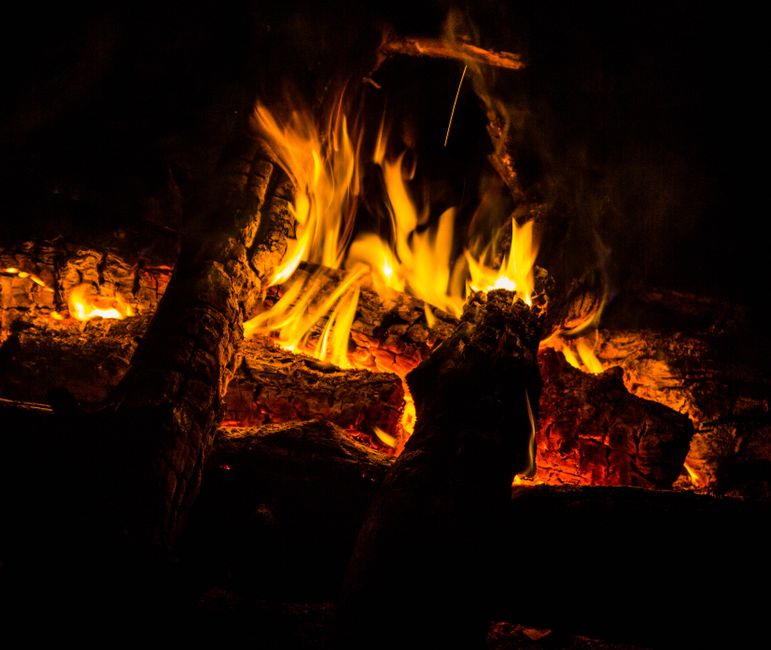
- Marble Porcelain: Options like the Carrara Marble Porcelain Fire Table combine the luxurious appearance of natural stone with superior durability and weather resistance. These surfaces resist staining, maintain their finish through temperature extremes, and provide an elegant backdrop for flames.
- Weather-Resistant Metals: Powder-coated aluminum and stainless steel frames offer structural integrity while maintaining lightweight profiles. These materials resist corrosion and require minimal maintenance while supporting sophisticated design geometries.
- Glass Elements: Tempered glass wind guards and fire media create mesmerizing flame presentations while protecting guests from breezes. Accessories like specialized wind screens enhance both safety and visual drama.
- Composite Materials: Advanced composites replicate natural textures while offering enhanced durability and consistent coloration that natural materials cannot match.
The material palette you select should harmonize with existing architectural elements, complement your patio furniture, and reflect the overall design language of your outdoor environment. Consider how materials will patina over time and how maintenance requirements align with your lifestyle.
Configuration Options for Every Space
Custom fire pit designs accommodate diverse spatial constraints and functional requirements. Understanding configuration options helps identify the ideal solution for your specific circumstances:
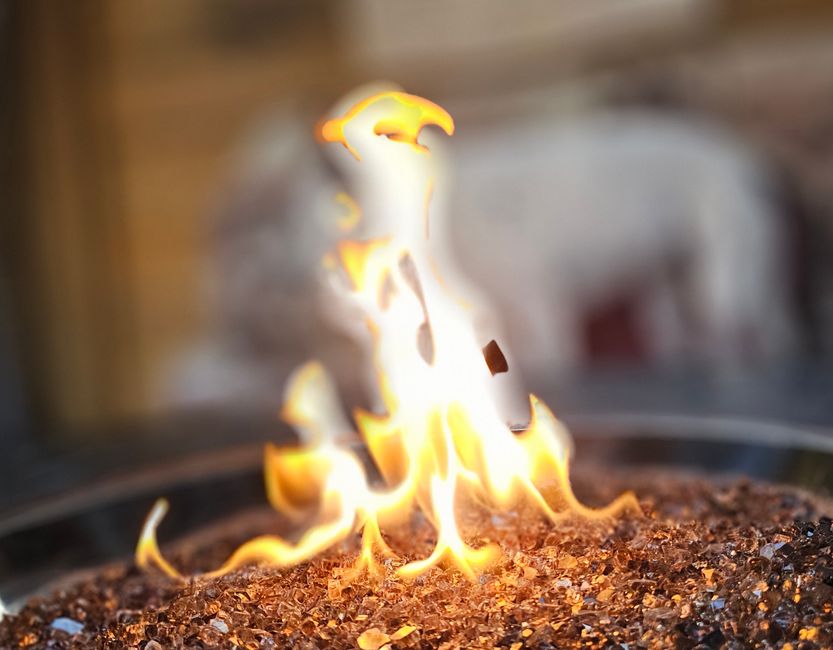
Built-In Installations: Permanent structures integrated into hardscaping create seamless transitions between elements. These designs work exceptionally well for established landscapes where the fire feature becomes a permanent architectural outdoor fire features. Built-in configurations often incorporate surrounding seating walls, creating defined gathering zones.
Freestanding Fire Tables: Versatile solutions like the Brugge Outdoor Fire Dining Table combine dining functionality with integrated fire features. These dual-purpose designs maximize utility in compact spaces while maintaining sophisticated aesthetics. Freestanding configurations offer flexibility for seasonal rearrangement and future design evolution.
Linear Designs: Elongated fire features create contemporary statements while efficiently distributing warmth across larger seating areas. Linear configurations work particularly well for modern architectural styles and can serve as property line markers or spatial dividers in expansive yards.
Circular and Organic Shapes: Traditional round configurations encourage inclusive gathering dynamics where all participants face one another. These timeless geometries suit both classic and contemporary settings, offering visual balance and democratic seating arrangements.
Fuel Systems and Operational Considerations
The fuel system you select impacts everything from flame aesthetics to operational convenience and environmental footprint. Each option presents distinct advantages:
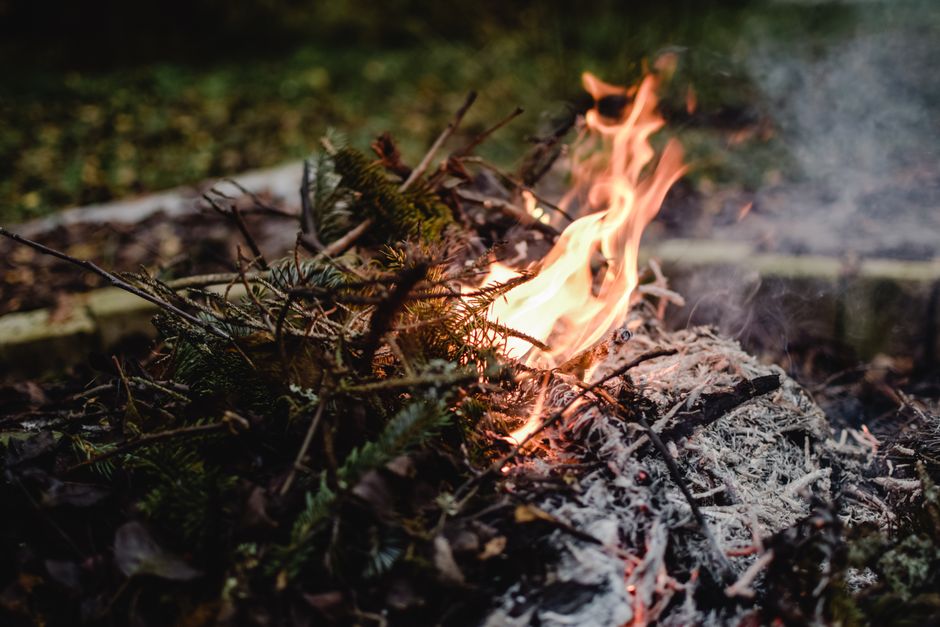
Natural Gas Systems: Permanently connected installations provide unlimited runtime without refueling interruptions. Natural gas produces clean combustion with minimal ash or residue, requiring virtually no cleanup. These systems demand professional installation and underground utility connections, making them ideal for permanent installations where convenience outweighs installation complexity.
Propane Solutions: Tank-based propane systems offer installation flexibility without permanent utility commitments. Modern designs incorporate concealed tank storage that maintains aesthetic integrity while providing extended burn times. Propane delivers higher heat output than natural gas, making it effective for larger spaces or cooler climates.
Wood-Burning Options: Traditional wood fires provide authentic crackling ambiance and primal connection that gas systems cannot replicate. However, wood-burning designs require more maintenance, produce smoke that may concern neighbors, and increasingly face regulatory restrictions in urban areas. According to design authorities, the sensory experience of wood fires continues to hold appeal despite operational considerations.
Bioethanol Features: Alcohol-based fuels offer clean combustion without ventilation requirements or permanent installations. These systems suit urban environments with strict emissions regulations, though they typically produce less heat than gas alternatives and require frequent refueling during extended use.
Design Integration With Outdoor Furniture
Custom fire pit designs achieve their full potential when thoughtfully integrated with complementary outdoor furniture. The relationship between fire features and seating determines both functional comfort and visual cohesion:
Placement distance critically affects guest comfort. Position seating 36 to 48 inches from fire feature edges, allowing adequate warmth without excessive heat. This spacing accommodates traffic flow while maintaining intimate gathering distances that encourage conversation.
Material and color coordination creates visual harmony. If your fire table features marble porcelain surfaces, echo these tones in furniture cushions or accent pieces. Conversely, contrast strategies can make the fire feature a bold focal point against neutral furniture palettes.
Scale relationships prevent visual discord. Substantial fire tables demand proportional furniture with architectural presence. Pairing a commanding fire feature with delicate furniture creates imbalance, while substantial pieces establish appropriate visual weight.
Consider complete outdoor environments where fire features anchor distinct zones. A dining fire table naturally pairs with formal seating arrangements, while lounge configurations suit more casual fire bowls. Creating these intentional vignettes transforms generic yards into purposefully designed outdoor space transformation ideas.
Customization Elements That Elevate Design
True custom fire pit designs transcend catalog selections through personalized elements that reflect individual style and functional priorities. Consider these customization opportunities:
Finishing Details: Custom powder coating colors match specific architectural palettes. Specialized patinas on metal elements create aged appearances or contemporary metallic sheens. Surface textures range from polished refinement to rough-hewn organics, each establishing distinct aesthetic character.
Integrated Features: Built-in storage compartments conceal propane tanks or fire accessories. LED lighting systems illuminate fire features after flames extinguish, extending usability into late evening hours. Integrated ice wells transform fire tables into beverage service stations during warmer months when flames aren't needed.
Fire Media Selection: Glass crystals, lava rocks, ceramic logs, and contemporary fire beads each create different visual effects. Media color influences flame appearance, with darker materials creating dramatic contrast while lighter options produce ethereal glows. Mixed media creates layered visual interest and personalized presentations.
Dimensional Customization: Adjusting standard dimensions ensures perfect fit within specific spatial constraints. Custom heights accommodate unique seating arrangements or accessibility requirements. Scaled proportions suit intimate courtyards or expansive entertainment decks.
Planning Your Custom Fire Pit Investment
Successful custom outdoor fire pit projects begin with comprehensive planning that addresses both immediate desires and long-term goals. Start by evaluating your space honestly, measuring available footprints and identifying utility access points. Photograph your yard from multiple angles and at different times of day to understand how natural light interacts with proposed locations.
Budget considerations should encompass not just the fire feature itself but complete installation costs including gas lines, electrical work for lighting or ignition systems, and hardscaping modifications. Quality custom installations represent significant investments that deliver decades of enjoyment when properly specified and maintained.
Engage professionals early in the planning process. Landscape architects visualize how fire features integrate with broader outdoor designs. Licensed contractors ensure utility connections meet code requirements. Experienced designers help navigate the overwhelming array of options, focusing choices on solutions that align with your specific lifestyle and aesthetic preferences.
Consider seasonal usage patterns and climate factors. Regions with extended outdoor seasons justify larger investments in elaborate features, while areas with limited temperate weather might prioritize portable or multi-functional designs. Wind patterns, sun exposure, and prevailing weather conditions all influence ideal placement and configuration.
Conclusion
Custom outdoor fire pit designs represent more than simple backyard amenities—they create transformative gathering spaces that foster connection, extend seasons, and elevate everyday moments into memorable experiences. From material selection through fuel systems to furniture integration, each decision shapes not just aesthetics but functionality and long-term satisfaction. Whether you envision intimate evenings or grand entertaining, today's design possibilities ensure your custom fire feature becomes the centerpiece for outdoor entertaining for years to come. Thoughtful planning, quality materials, and professional execution transform vision into reality, creating outdoor environments where warmth, style, and purpose converge.